Rhythm, Blues, and Toxic Fumes: Guess Who’s Coming to Pollute?🌬
December 2025

Data centers are on everyone’s minds lately, and for good reason. They have quickly become a unifying issue as communities across the country push back against the growing demand for new construction. And all too often, these facilities end up in predominantly low-income Black and Brown neighborhoods, where residents are already carrying the weight of environmental harm. Even R&B singer SZA recently spoke out against a proposed data center in Memphis.
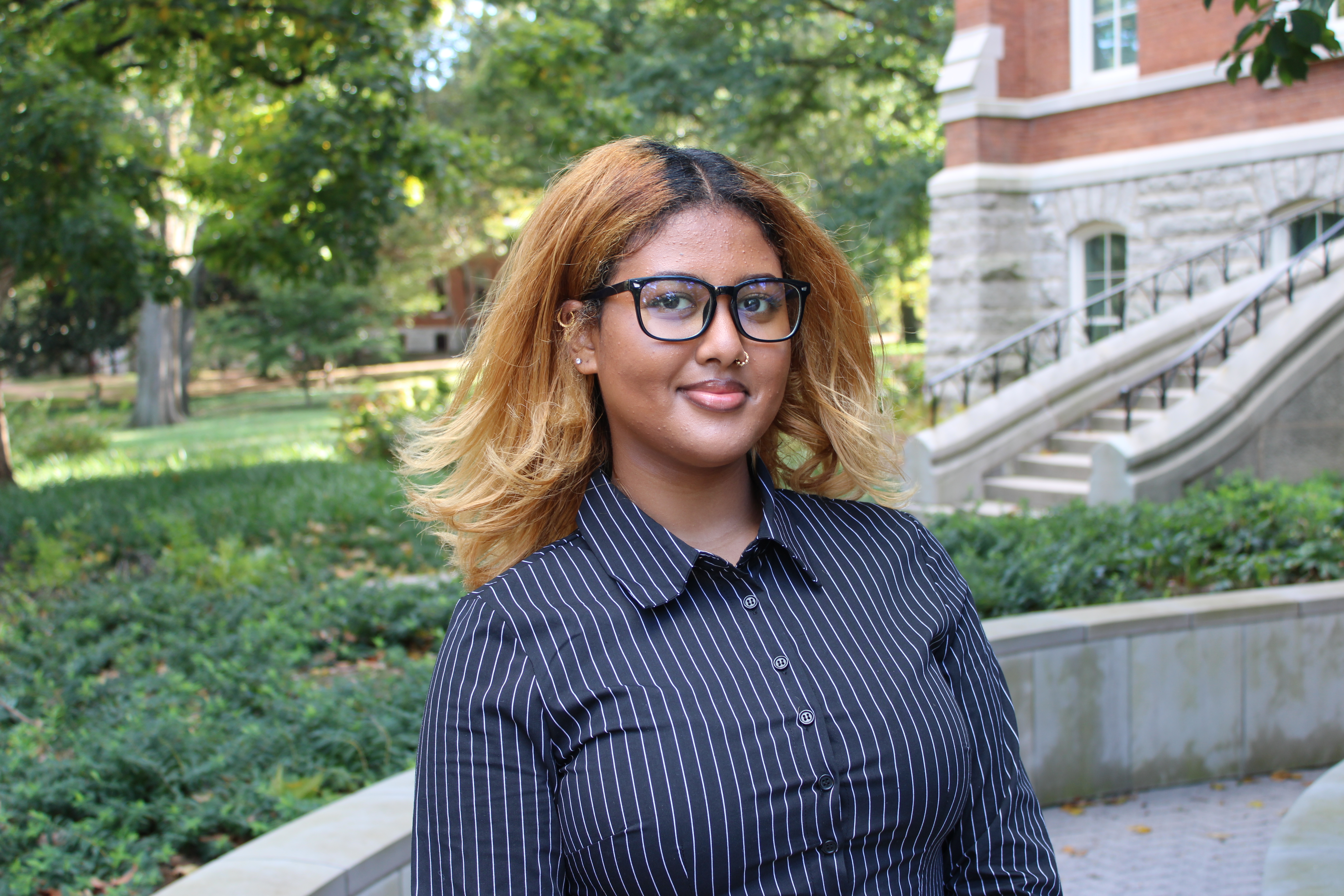
Keep reading to hear a native Memphis GPE girlie break down what AI really means for our communities.
Memphis is celebrated as the “Home of the Blues’ and the “Birthplace of Rock ‘n’ Roll,” not exactly the place you’d expect to become the next tech hotspot. But that might be changing as Elon Musk’s AI company, xAI, sets its sights on building a massive supercomputer facility in South Memphis. Musk chose the city specifically because of a vacant factory site, and construction is already underway in a predominantly Black community, raising concerns about air quality and residents’ well-being.
While new projects like Musk’s xAi can create economic opportunities, they often disproportionately impact marginalized communities, worsening environmental injustices, and overwhelming the city’s infrastructure.
Memphis has a long and ongoing history of environmental racism. Southwest Memphis, home to predominantly Black residents, was notified by the EPA of unacceptably high levels of ethylene oxide, a toxic gas linked to cancer. One resident, Sims, developed breast cancer despite having no family history of it (Miller, 2024). This is an example of environmental racism, where minority groups are disproportionately exposed to higher levels of pollution and hazardous industries. These communities of color and lower-income communities often have less economic and political power to resist harmful industries, and the lower cost of land makes them attractive targets for corporations.

In addition, South Memphis neighborhoods have long suffered poor air quality, high asthma rates, and a failing grade for air quality from the American Lung Association (Elon Musk’s XAI Facility Is Polluting South Memphis, 2024). This is due to numerous industrial polluters: such as a steel mill, a utility-operated gas power plant, and an oil refinery.
To meet its energy demands, xAI uses natural gas-burning turbines without the necessary permits, further worsening South Memphis’s air quality by releasing harmful emissions. These turbines pump out hazardous chemicals, contributing to smog and respiratory conditions already affecting many Memphians. These emissions not only pose health risks but also symbolize a disregard for community well-being (Elon Musk’s XAI Facility Is Polluting South Memphis, 2024).
And don’t even get me started on how the xAI project could overload Memphis’ already strained infrastructure. The city experiences frequent power outages, largely due to poor, aging infrastructure. In 2023 alone, there were 250 power equipment failures (Bieri, 2023). xAI plans to use up to 150 megawatts of electricity– enough to power more than 100,000 homes– and plans to double the facility’s computing power and energy use (Elon Musk’s XAI Facility Is Polluting South Memphis, 2024). Given Memphis’ outdated power grid and frequent outages, this increased demand will likely strain already fragile infrastructure.
Supporters of xAI point to its promise of 300 new jobs. But it’s still unclear whether these positions will be high-tech roles requiring specialized training, or jobs that someone with only a high school diploma can realistically access. If the new jobs aren’t truly attainable for the current Memphis workforce, their impact may end up being minimal.
So the real question is: do these benefits outweigh the environmental and infrastructure costs? Memphis residents need long-term support, like paid training or education programs, to actually benefit from a project of this scale. Without that, the promised economic gains may completely bypass the very people living right next door to the facility.
Let’s take a look at what local officials are saying. When Memphis residents voice their concerns about xAI, Mayor Young acknowledges them but urges Memphians to focus on the positives, mainly the economic opportunities the project could bring. His stance mirrors that of other city leaders who highlight potential growth while downplaying the risks.
In contrast, Representative Justin J. Pearson, a native Memphian, is calling for residents to unite in opposition to the project, stressing the importance of protecting community health over corporate profit. KeShaun Pearson, President of Memphis Community Against Pollution, echoes these concerns, noting that Memphis already has a vulnerable population with high asthma rates that could worsen with xAI’s impact. He even points to an increase in asthma-related emergencies among local children (Gray, 2025).

The xAI supercomputer facility stands at the intersection of innovation and injustice. Environmental concerns come with the industry’s promised economic benefits, especially for marginalized, vulnerable communities. It is well known that the city cannot support an incoming industry’s energy demands with its weak, deteriorating infrastructure–yet Mayor Young overlooks this and reinforces a narrative in which profit outweighs people. By contrast, voices like Rep. Pearson and Mr. Pearson remind us that these technological advancements should not come at the cost of human lives. Memphians must lead the charge and ensure that if this progress is allowed, it is equitable, ethical, and inclusive. The question is: can they?
About the Writer✏️:

Bilen Gimikael: I am an Ethiopian and Eritrean girl born and raised in Memphis, Tennessee. I have an orange cat named Dinah whom I love. In my spare time, which seems like never in college, I read, write poetry, analyze celebrities' curated personas, read fiction books, and garden. My dream vacation spots are Jamaica and Brazil.


Comments